Buying your first resin kit can feel oddly high-stakes. One wrong choice and you end up with cups but no gloves, pigments but no moulds, or resin that is better suited to a large cast than a simple pair of earrings. A good resin starter kit for beginners removes that guesswork and gets you to the enjoyable part faster – mixing, pouring and making something you are genuinely pleased with.
The best kits are not the ones packed with the most bits. They are the ones built around compatible essentials, clear project goals and a realistic first step. If you are just getting started, that matters more than a huge bundle of extras you may not use yet.
What should a resin starter kit for beginners include?
At a minimum, you need resin, measuring or mixing tools, protective gear and a way to shape your project. That sounds simple, but the details make the difference between a smooth first pour and a frustrating one.
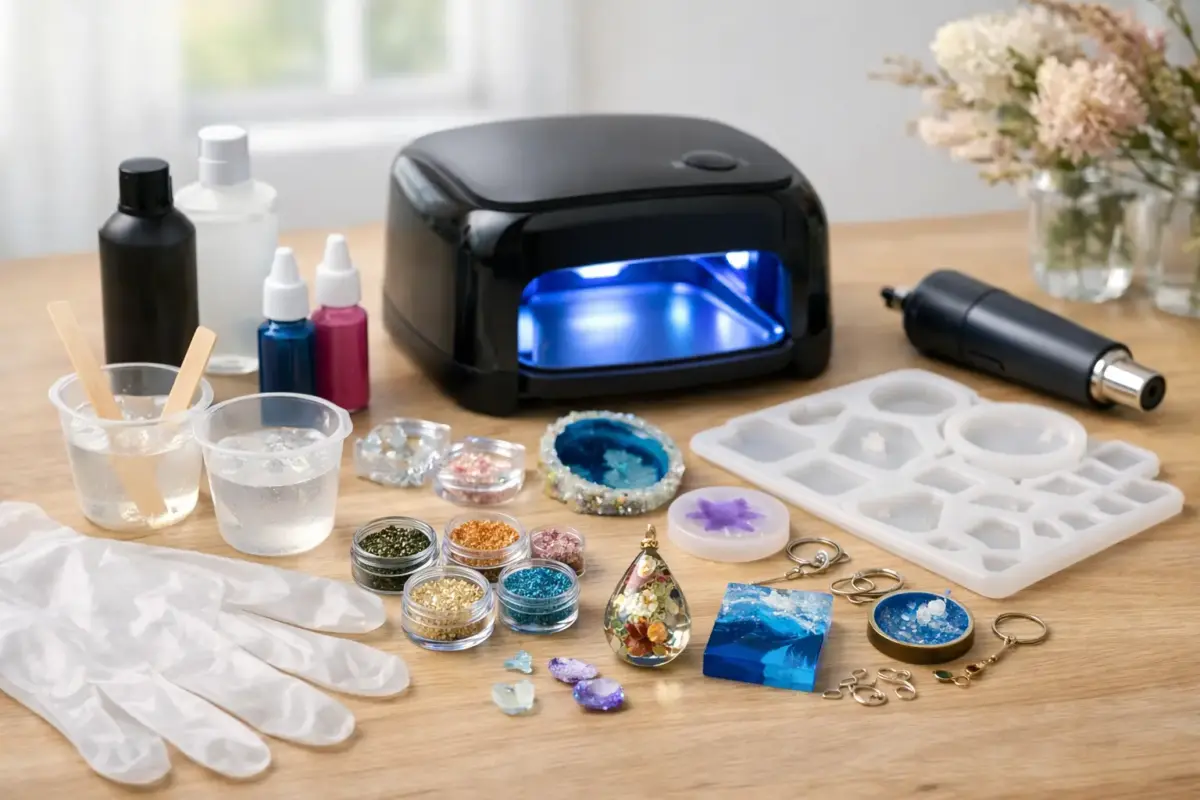
For epoxy projects, a beginner kit should include a resin and hardener that are clearly labelled and easy to mix. Slow-curing epoxy is often a better place to start than something highly specialised, because it gives you more working time and tends to be more forgiving while you learn. If your aim is jewellery, charms or small decorative pieces, UV resin can also work well, but only if the kit includes the right lamp and the resin is suitable for thin layers.
Mixing cups, stirrers and gloves should not be treated as optional extras. They are part of the basic workflow. Silicone mats, pipettes and tweezers are also helpful because they make the process tidier and easier to control, especially when you are adding small amounts of glitter, dried flowers or pigment.
A mould or two is what turns the kit from a box of supplies into an actual starting point. Flat coaster moulds, simple pendant moulds and small trinket dish moulds are all beginner-friendly because they are straightforward to fill and demould. Very deep casts, large trays and detailed moulds with tiny cavities are usually better once you have a feel for bubbles, cure times and resin depth.
Choose your kit based on what you want to make
This is where many beginners get stuck. They shop for resin in general, when what they really need is a starting kit for a specific kind of project.
If you want to make jewellery, look for a kit with small moulds, fine glitter, pressed flower options, earring findings and a resin that cures clear in thin sections. If home décor is more your thing, coaster or dish moulds make more sense, along with pigments or mica powders that show up well in larger surfaces. If you are interested in doming stickers, sealing artwork or quick top coats, UV resin may be the better fit.
There is no single perfect resin starter kit for beginners because the right one depends on scale, finish and how patient you are willing to be. Epoxy gives you versatility and depth. UV resin gives you speed for smaller pieces. Clear casting resin is useful for deeper pours, but not usually the first choice for someone just learning the basics.
Don’t overlook safety and workspace setup
Resin is creative, but it is still a chemical product. A starter kit should help you work safely, not leave you to sort that part out later.
Nitrile gloves are a must, and your workspace should be clean, level and well ventilated. A silicone mat or protective bench covering is worth having from the start because drips happen, even when you are being careful. If you are working indoors, good airflow matters. You do not need an industrial setup for a first project, but you do need to treat resin with respect.
This is one reason specialist kits are often better than random mixed bundles. They are more likely to include sensible, practical items that support the whole process rather than only the fun-looking bits.
What beginners actually struggle with
Most first-time resin problems are not dramatic disasters. They are small issues that affect the final finish – tacky spots, tiny bubbles, cloudy mixing, overfilled moulds or pieces that cure with dust on the surface.
A well-built kit helps prevent these, but it cannot replace method. Read the mixing instructions fully before you start. Measure carefully. Stir slowly but thoroughly. Let bubbles rise where possible, and avoid working in a cold room if your resin needs a warmer environment to cure properly.
Pigments are another area where beginners can overdo it. It is tempting to add lots of colour straight away, but too much pigment can affect curing, especially with some resin types. Starter kits that include beginner-friendly colourants in sensible quantities are useful because they encourage experimentation without making the process harder than it needs to be.
A cheap kit is not always the best value
There is a difference between affordable and under-equipped. A very cheap resin kit can look appealing until you realise it contains tiny resin bottles, flimsy cups and accessories that need replacing after one session. Then you are back to shopping for basics before you have even finished your first project.
Better value usually comes from a kit that includes enough resin for more than one attempt, reliable tools and products that work together. That last point is easy to miss. Compatibility matters. Resin, pigments, moulds and finishing accessories should feel like parts of one system rather than a collection of unrelated items.
For beginners in the UK, convenience is also part of value. Fast delivery, clear product information and easy access to refills make it simpler to keep going once you realise you enjoy the craft. Resin Studio has built its range around that idea, which is why starter kits make sense for people who want everything they need to pour, mix and create without piecing together an order from several shops.
Starter kit or build your own?
If you already know exactly what you want to make, building your own bundle can work well. You can choose a specific resin type, pick moulds that suit your style and skip tools you already own. That approach makes more sense once you understand the workflow.
For true beginners, though, a kit usually wins. It shortens the learning curve and removes a lot of decision fatigue. You are not trying to compare ten different resins while also figuring out whether you need mica powder, alcohol ink, pipettes or a heat tool. You start with a coherent setup, learn the basics, then customise from there.
That progression matters. Resin tends to become more enjoyable once the process feels familiar. Your second order is usually smarter than your first because by then you know whether you prefer jewellery, coasters, shaker pieces or decorative castings.
Signs you’ve found the right beginner resin kit
A strong beginner kit feels clear rather than overwhelming. You can look at it and understand what your first project will be. The resin type matches the intended use. The accessories are practical. The moulds are achievable for a first attempt. Safety gear is included or clearly recommended.
It should also leave room for success. That might sound obvious, but some kits try to do too much. They throw in deep moulds, complicated findings and loads of decorative extras before you have learned how your resin behaves. Simpler is often better at the start.
The ideal first kit gives you enough to practise, make a mistake, try again and improve. That is how confidence builds. Not through buying the biggest bundle available, but through having the right materials in front of you when you sit down to create.
Start with a project you can finish
A first resin session goes better when the goal is modest. One pair of earrings, a small pendant, a coaster or a trinket dish is enough. You learn how the resin pours, how colours move, how long it takes to settle and what curing really looks like in your space.
That early win matters more than people realise. It is what turns resin from something you were curious about into something you want to keep doing. So if you are choosing a resin starter kit for beginners, look for one that makes the first project feel approachable, not ambitious. The best place to begin is usually the one that helps you finish your first piece with confidence and already know what you want to make next.