If your UV resin keeps coming out tacky, cloudy or uneven, the problem is often not the resin at all – it is the light. A good UV resin curing machine gives you more control over how your pieces set, which means fewer spoiled makes and a much smoother finish straight from the mould.
For resin crafters, that matters more than it might sound. Whether you are making jewellery, charms, keyrings or small decorative pieces, curing is the step that decides whether a project looks polished or frustratingly homemade. The right machine helps you work faster, but it also helps you work with more confidence.
What a UV resin curing machine actually does
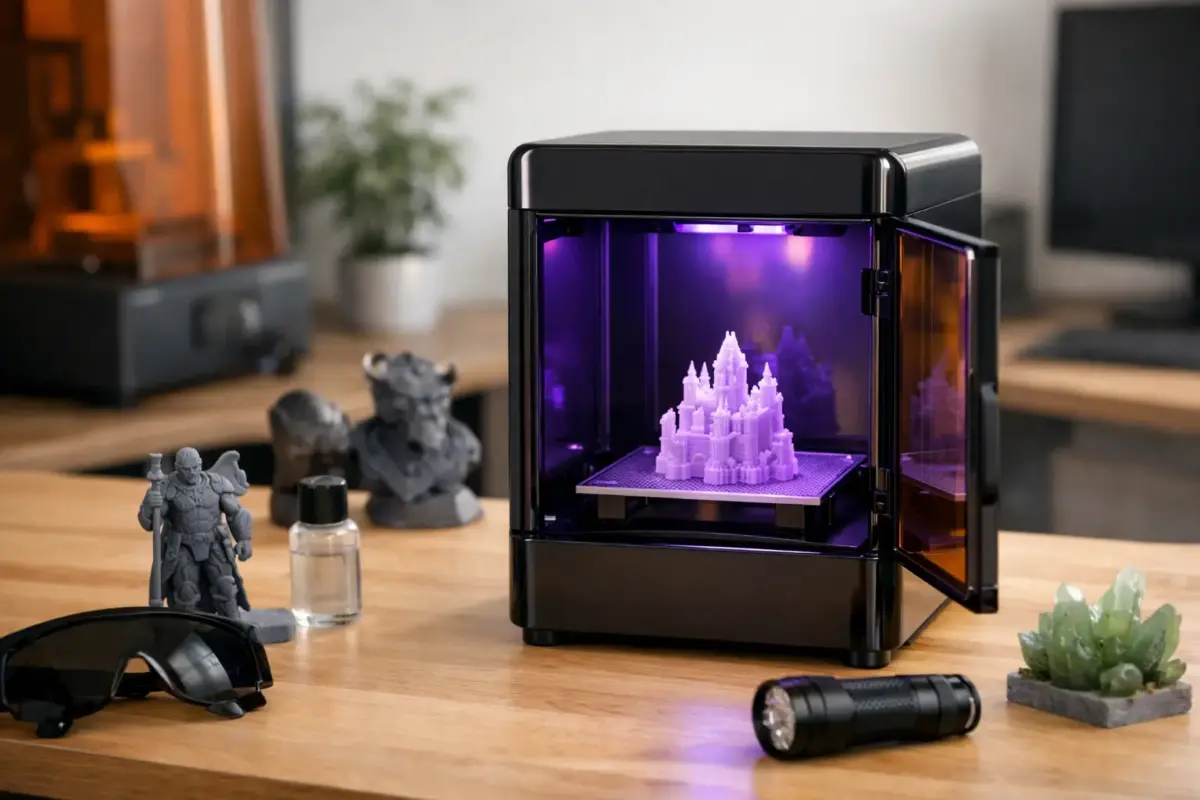
A UV resin curing machine exposes UV resin to the wavelength of light it needs to harden properly. In simple terms, it replaces guesswork with consistency. Instead of waving a small handheld lamp over one area and then another, you get a more even cure across the whole piece.
That is especially useful when you are working with domed surfaces, layers, inclusions or multiple pieces at once. UV resin can cure quickly, but quick does not always mean complete. If the light is weak, too far away or unevenly distributed, the top may harden while the lower areas stay soft.
For beginners, this can look like a resin problem when it is really a tool problem. For more experienced makers selling their work, it can turn into wasted stock, extra finishing time and avoidable inconsistency between batches.
Do you need a UV resin curing machine?
It depends on how you use UV resin. If you only make the occasional small charm and you already have a reliable UV lamp, a dedicated machine may feel like a nice extra rather than a must-have. But if UV resin is part of your regular making routine, the upgrade usually pays for itself in convenience alone.
A curing machine becomes much more useful when you are producing several items in one sitting, working on pieces that need an even all-over cure, or trying to speed up your process without cutting corners. It is also a practical choice if you are tired of turning pieces by hand under a torch or second-guessing whether they are fully cured.
For small-business makers, consistency is the big reason to consider one. Customers notice the details. Smooth surfaces, fewer sticky patches and more reliable results all help your finished pieces feel more professional.
What to look for in a UV resin curing machine
The best choice is not always the biggest or most expensive machine. It is the one that suits the size of your projects, your workspace and how often you make.
Size and internal space
Start with the type of pieces you cure most often. If you mainly make rings, earrings, pendants and small embellishments, a compact unit may be enough. If you work with larger moulds, layered coaster toppers or several items at once, a roomier curing chamber saves time.
Too small, and you will spend more time repositioning pieces than curing them. Too large, and you may end up paying for capacity you do not need. For many hobby makers, a medium-sized machine hits the sweet spot.
Light coverage
Even coverage matters more than headline claims. A machine with well-placed LEDs can produce better results than one that sounds powerful on paper but leaves shadowed spots inside.
This is where enclosed machines often beat simple handheld lamps. The light reaches the resin from more than one angle, which helps with curved surfaces and pieces with raised details. If your projects often need turning halfway through, that is usually a sign your current setup is not distributing light evenly.
Wattage and curing speed
Higher wattage can mean faster curing, but faster is not automatically better. Very intense light on the surface can sometimes cure the top layer before the rest has settled properly, especially if the resin is thick or heavily pigmented.
A steady, even cure is usually the goal. If you use clear or lightly tinted UV resin in thin layers, a stronger machine may help you move quickly. If you often work with darker pigments, glitter mixes or embedded decorations, expect curing to take longer whatever machine you choose.
Timer settings
Timer options sound basic, but they make everyday use much easier. Preset times help you repeat successful results and avoid over-curing or under-curing because you were distracted halfway through.
If you batch-make items, this becomes even more useful. You can keep your workflow moving instead of watching the clock. Small convenience features often have a bigger impact in the studio than flashy specifications.
Why some pieces still do not cure properly
A UV resin curing machine helps, but it does not solve every issue on its own. Some curing problems come from the way the resin is used rather than the machine itself.
Thickness is a common one. UV resin cures best in relatively thin applications. If you pour too deeply in one go, the light may not penetrate enough to harden the lower section properly. The top can look finished while the inside stays soft.
Pigment load also makes a difference. Opaque colourants, dense glitter and some decorative inclusions can block light. That does not mean you cannot use them, only that you may need thinner layers and longer cure times.
Cleanliness matters too. Dust on the lamp, residue on the base, or fingerprints on protective covers can reduce light efficiency more than people expect. If your machine seems slower over time, a careful clean may make a noticeable difference.
UV lamp or curing machine?
A handheld UV lamp still has its place. It is useful for spot curing, securing tiny details in place, or working on awkward areas where you want direct control. It is also a lower-cost starting point if you are brand new to UV resin.
But for regular crafting, a curing machine is usually easier to live with. You can place the piece inside, keep your hands free, and get a more even finish with less effort. That matters when making becomes a habit rather than a one-off project.
Many resin makers eventually use both. A small lamp handles detail work, while the machine takes care of the full cure. If your budget allows only one to start with, think about your actual projects rather than buying for a future workflow you may not need yet.
Choosing for beginners versus regular sellers
Beginners usually do best with a straightforward machine that is easy to use and not overloaded with features they will not touch. Clear timer settings, decent internal space and reliable light coverage are usually enough. The aim is to remove uncertainty, not add another technical decision.
If you sell your work, your priorities may shift slightly. You may want quicker turnaround, space for curing several pieces together and a setup that supports repeatable results across batches. Reliability becomes just as important as speed, because redoing pieces costs time and materials.
This is where buying from a specialist craft supplier can help. You are less likely to end up with a generic gadget that sounds suitable but was never really chosen with resin making in mind. That bit of guidance can save plenty of trial and error.
Safe and sensible use
Even with a machine doing the curing, safe handling still matters. UV resin should be used with sensible precautions, including gloves and a tidy work area. Curing does not replace good resin habits.
Make sure your pieces are positioned securely and not touching each other if you want an even finish. Keep the machine on a stable surface, follow the product instructions, and avoid staring directly at UV light. If you are curing in stages, give each layer the time it actually needs rather than rushing because the surface feels dry.
A better tool should make your process easier, not careless.
Is a UV resin curing machine worth it?
For most people who use UV resin regularly, yes. The value is not only in speed. It is in reducing sticky surprises, improving consistency and making the whole process feel more predictable.
That predictability is what helps you enjoy resin crafting more. You spend less time troubleshooting and more time making. Whether you are experimenting with your first moulds or building stock for your next craft fair, having the right curing setup can make the difference between resin that feels fussy and resin that feels genuinely satisfying to work with.
If you are ready to make UV resin easier, choose a machine that fits the way you actually create now – and give yourself a setup that helps your ideas come out looking the way you imagined.